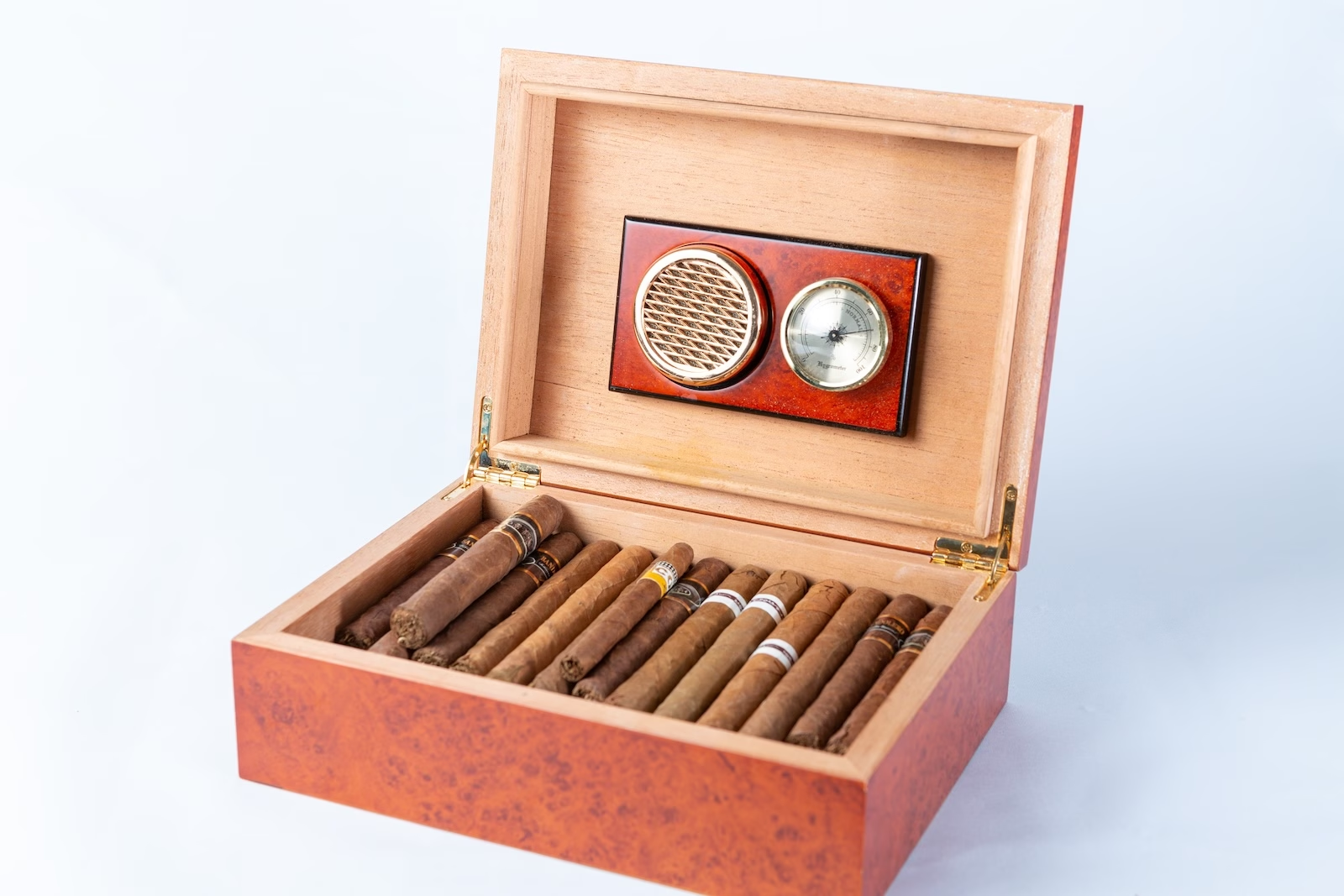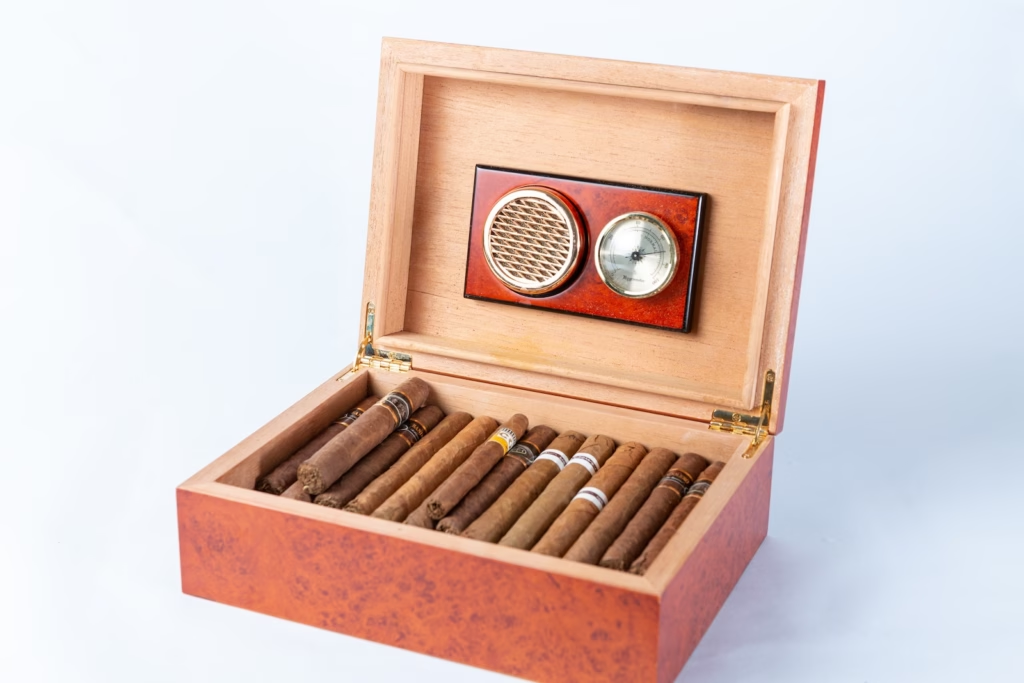
Once a cigar leaves the shop, the way you store it at home can noticeably alter its condition. Too much moisture may encourage mold, while air that is too dry can leave a cigar brittle and affect how it burns. Storage can also suffer when cigars are exposed to heat, strong sunlight, or abrupt shifts in their surroundings. If you want to understand how to store cigars at home, start with three essentials: stable humidity, moderate temperature, and protection from damaging conditions.
Proper cigar storage helps keep cigars fresh by preserving the wrapper, aroma, texture, and construction. Whether you keep a few cigars for occasional use or maintain a larger collection, the right setup does not have to be complicated. Below, we cover the basics of cigar humidity and temperature, how humidors work, and common storage mistakes people make at home.
Why Proper Cigar Storage Is Important
A cigar is made from tobacco leaves, and those leaves react to the amount of moisture in the air around them. When a cigar loses too much moisture, its wrapper may crack and the tobacco can become fragile. When it absorbs excessive moisture, it may feel spongy, burn unevenly, or become more susceptible to mold under unfavorable conditions.
Storage also affects how cigars hold their shape. Changes in moisture can cause tobacco to expand or contract, which may contribute to cracks, tight draws, or uneven burning. Odors matter, too, since tobacco readily absorbs strong smells from its surroundings.
The best way to store cigars is to keep their environment steady from the start instead of constantly trying to restore cigars that have dried out or taken on too much moisture. In most cases, consistency matters more than maintaining a precise number on the gauge around the clock.
What Is the Ideal Humidity for Storing Cigars?
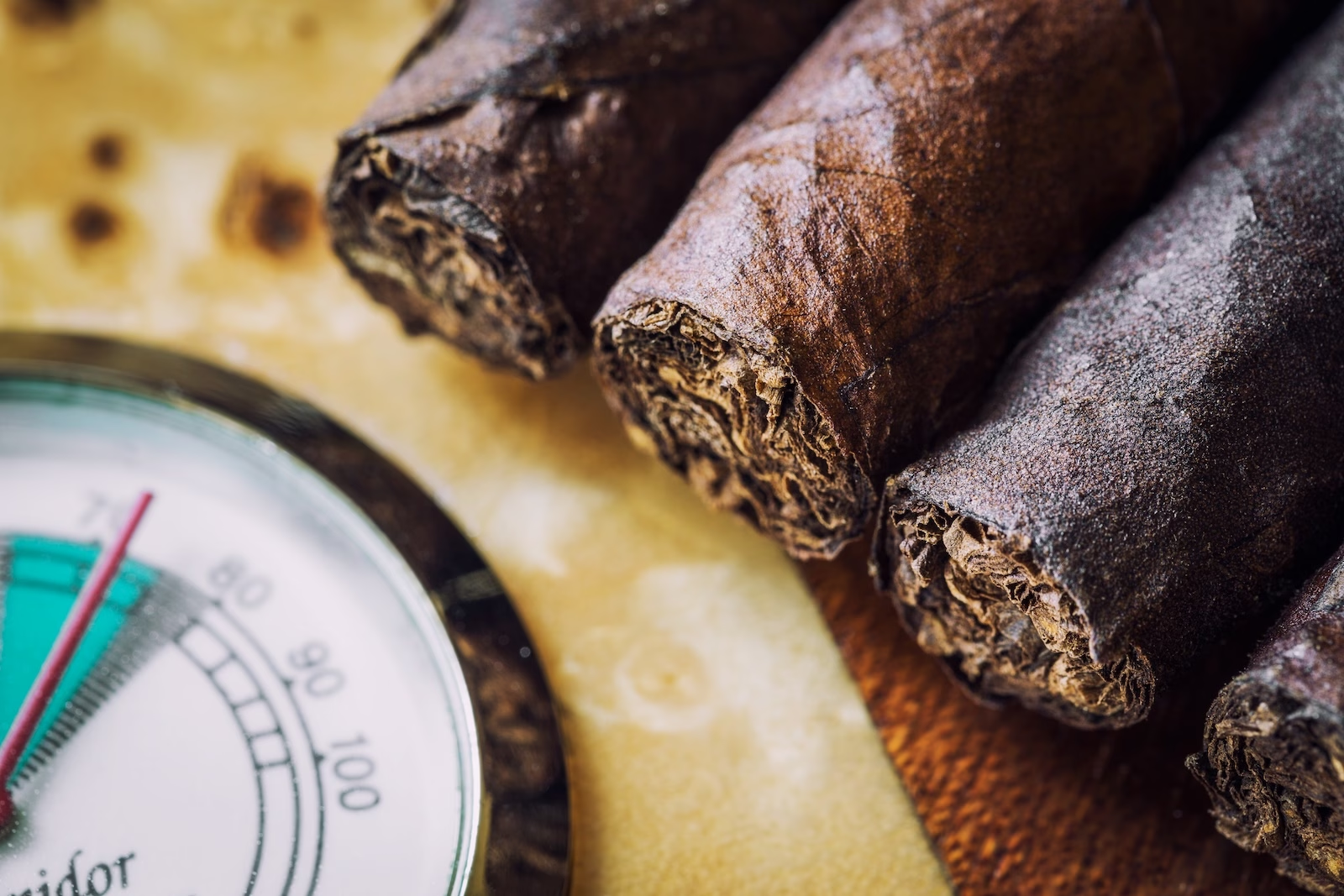
Few things affect cigar storage as much as relative humidity. A commonly used humidor humidity range is approximately 65% to 70% relative humidity, though the appropriate target can vary depending on the cigar’s construction and storage environment.
Relative humidity compares the moisture currently in the air with the maximum amount of moisture that air could hold at the same temperature. You can track this figure inside a humidor or storage container with a hygrometer. The key is consistency. Large swings in humidity can take a toll on the tobacco and affect its condition.
Monitoring Humidity With a Hygrometer
A hygrometer reading is only useful if the device is working correctly. Hygrometers can drift and give false readings, particularly as they age or after exposure to extreme conditions. Test yours periodically using a hygrometer calibration kit or the calibration steps recommended by the manufacturer.
Position it so it reports the conditions inside the humidor itself, since the humidity of the surrounding room tells you little about the conditions inside the container.
What Is the Ideal Temperature for Cigar Storage?
A commonly used storage target is around 65°F to 70°F (18°C to 21°C). More important than maintaining a single number is keeping the temperature reasonably stable and avoiding excessive heat.
Heat makes humidity tougher to manage, and it can also create conditions that encourage tobacco beetle activity. Tobacco beetle larvae can damage cigars by creating small, round holes in the wrapper. Should you spot unexplained holes or fine tobacco dust, move those cigars away from the rest of your collection and check the storage area carefully.
Keep your humidor away from anything that gives off heat, including radiators, ovens, heating vents, and sunny windows. Do not leave cigars in a hot car, where temperatures can rise quickly. A room that stays cool and steady is usually a better choice than a spot where conditions change significantly throughout the day.
How to Store Cigars in a Humidor

A humidor is designed to help maintain a controlled environment for cigars. Humidors come in several forms, from desktop boxes and cabinets to travel cases and other containers built for the purpose. A humidor combines an enclosed space with a way to monitor and manage humidity.
Is a Humidor Necessary for Storing Cigars?
A humidor is not automatically effective just because it has a wooden interior. How well it seals, its size, its condition, and its humidification system all make a difference. Avoid packing cigars so tightly that air cannot circulate around them.
Desktop humidors, cabinet humidors, and other models have different maintenance requirements. The size of the collection, available space, and indoor climate all influence storage conditions.
How to Prepare and Maintain a Humidor
Use a reliable hygrometer to track relative humidity. Many people find digital hygrometers simple to read, while analog versions may need periodic calibration. If the reading seems inconsistent with the condition of your cigars, verify the instrument rather than making several adjustments at once.
Check your humidor regularly, but avoid repeatedly lifting the lid just to glance at the gauge. Each opening exchanges some of the air inside with the surrounding room. Follow the manufacturer’s instructions for maintaining humidification supplies, clear away dust or debris, and investigate the cause of ongoing changes rather than reacting with quick fixes.
If you discover a problem, inspect the entire storage environment before changing several things at once. Check the seal, humidification supply, temperature, and hygrometer. Making one measured adjustment at a time helps identify the source of the issue.
How to Store Cigars Without a Humidor
If you only have a few cigars and do not own a humidor, a temporary airtight container may help reduce moisture loss. One commonly discussed alternative is a tupperdor, which is a clean, food-safe plastic container with a tight seal and a means of monitoring humidity. Travel humidors and cigar storage pouches are other short-term storage options.
Avoid placing cigars directly beside damp sponges, uncovered cups of water, or other makeshift sources of moisture. Homemade methods like these can lead to uneven humidity, spills, or excessive moisture.
Can You Store Cigars in the Refrigerator?
A refrigerator is not a suitable place for everyday cigar storage. The environment is generally too dry, and odors from nearby food can affect tobacco.
Long-term storage requires consistent environmental conditions, regardless of the type of container used.
Where Should You Keep Cigars at Home?
Choose a clean location away from direct sunlight, strong odors, dampness, and heat. A bedroom shelf or cabinet in a stable room may be suitable if temperatures remain consistent. A kitchen is often less suitable because cooking creates heat, steam, and strong smells.
Keep cigars away from cleaning products, scented candles, perfumes, and other items with strong odors. Bathrooms are also a poor choice, since showers and baths cause humidity to rise and fall quickly. A basement may seem cool, but dampness and changing conditions can create problems unless the storage area is controlled.
Keep the humidor on a level surface and away from places where it may be knocked over. If children or pets are in the home, store tobacco products securely and out of reach.
Should Cigars Be Kept in Their Original Packaging?
Cellophane sleeves can help protect individual cigars from handling and reduce the chance of wrapper damage. Because cellophane is slightly permeable, moisture can still pass through it, although the sleeve may slow moisture exchange.
Some cigars come in boxes, tubes, or other packaging. That packaging adds a layer of protection, but it is not always a replacement for proper humidity control. When storing a box of cigars inside a humidor, leave space around it for air to circulate and continue monitoring the conditions.
Avoid transferring cigars between very different environments repeatedly. Abrupt changes in humidity and temperature can affect tobacco leaves and their wrappers.
How Long Can Cigars Stay Fresh?
There is no single shelf life that applies to every cigar. Storage conditions, construction, and exposure to moisture all influence how its condition changes over time.
Check cigars periodically for changes in texture, wrapper condition, and unusual odors. A dry cigar may be brittle, while an overly damp one may feel soft. These signs can indicate a storage issue, but appearance alone cannot confirm whether a cigar is safe or free from mold.
How to Identify Cigar Mold
Some people call a light, powdery film that wipes away easily “plume,” but it is difficult to determine what the substance is simply by looking at it. Fuzzy growth, colored spots, or a musty smell can indicate cigar mold.
If mold seems likely, separate the affected cigars from the rest of the collection. Never smoke a cigar that appears moldy or otherwise contaminated.
Practical Tips for Organizing Your Cigar Collection
Keeping cigars in good condition also involves handling and organizing them carefully. These simple habits can help prevent physical damage and make individual cigars easier to identify.
- Handle cigars gently: Use a light touch so you do not crush the wrapper or damage the cap, particularly when transferring cigars between containers.
- Organize your collection thoughtfully: Arrange boxes so individual cigars can be accessed without repeatedly shifting everything else.
- Keep different varieties organized: Separate cigars by brand, size, or wrapper type when practical.
- Label boxes when necessary: Mark each box with basic details such as the brand, size, or date of purchase.
- Inspect newly purchased cigars: Check new arrivals for visible damage, unusual odors, and signs of mold or tobacco beetle activity.
- Keep an inventory: Maintain a record of the cigars in storage and their purchase dates to avoid overlooking older boxes.
Good organization works hand in hand with proper cigar storage, helping prevent physical damage while keeping the collection easier to navigate.
Understanding Cigar Storage Accessories
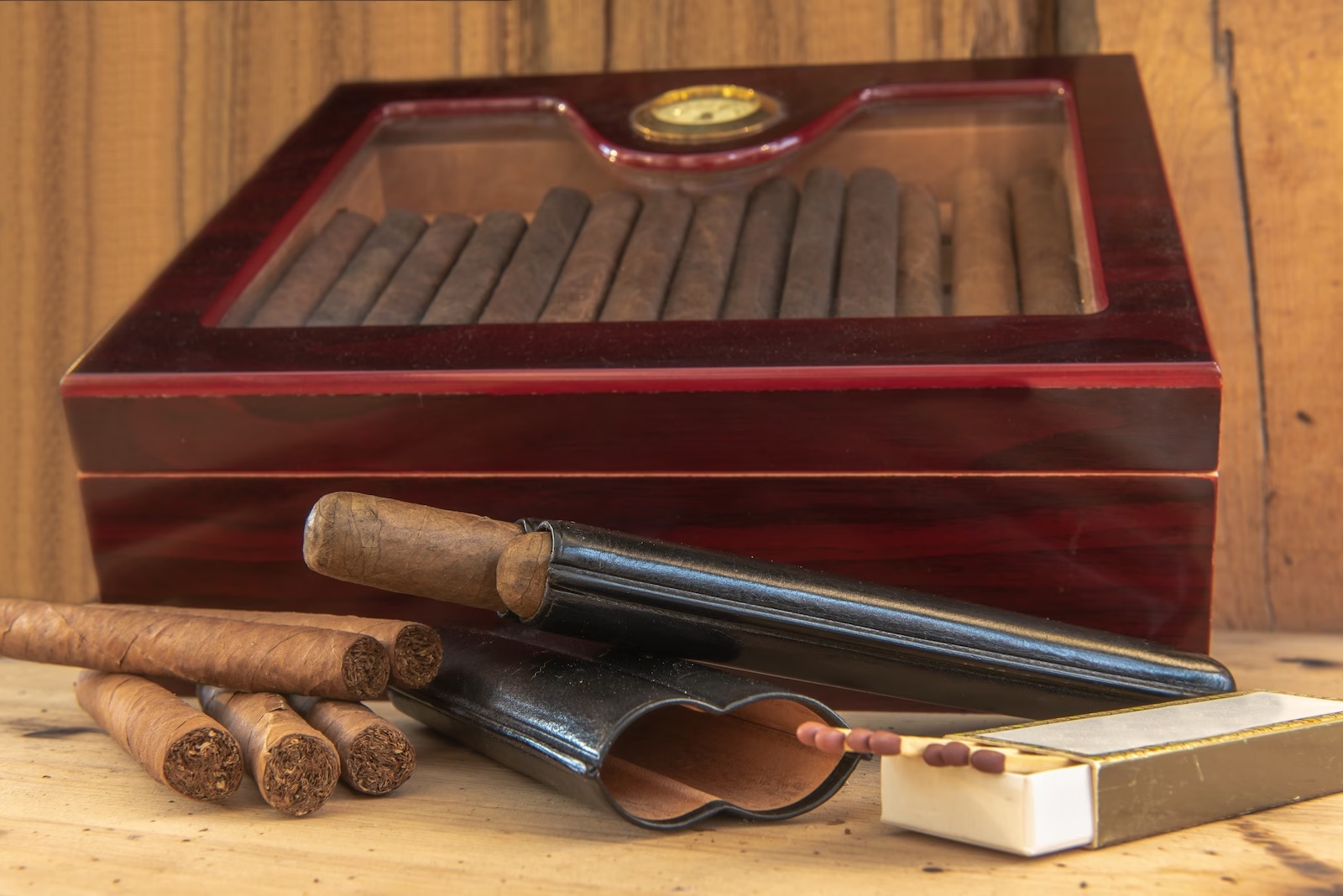
Cigar storage accessories vary in capacity, seal quality, maintenance requirements, and humidification systems. Hygrometers also vary in design and accuracy. The location of a storage container matters, since even a well-made container can struggle in an environment with major temperature changes.
Understanding the Essentials of Proper Cigar Storage
Understanding how to store cigars begins with recognizing the effects of humidity, temperature, and environmental changes on tobacco leaves. Regular inspections and careful handling can help identify storage problems, physical damage, and possible contamination.
Remember that proper storage does not eliminate the health risks associated with tobacco. Cigars are not a safe alternative to cigarettes, and tobacco products should always be stored securely away from children and pets.